Care Plans
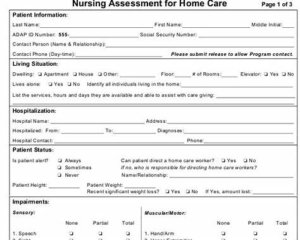
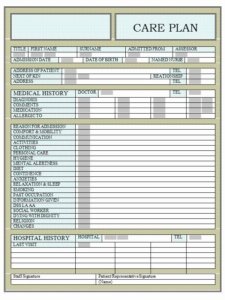
A care plan is the central, living document that guides all services provided to a client receiving private home health or personal care. It ensures services are person-centered, consistent, safe, and compliant, while aligning caregivers, nurses, families, and (when applicable) physicians around clear goals and instructions.
How the Care Plan Is Used
-
Initial Assessment & Setup
-
Created after an in-home assessment by a nurse or qualified supervisor.
-
Reflects the client’s medical status, functional needs, preferences, and risks.
-
-
Daily Service Guide
-
Caregivers follow the care plan during each visit to deliver authorized tasks exactly as written.
-
Reduces errors and promotes continuity across different staff.
-
-
Communication Tool
-
Keeps families, caregivers, nurses, and agency leadership aligned.
-
Documents changes, progress notes, and client responses.
-
-
Quality & Compliance Reference
-
Supports regulatory compliance (state rules, payer expectations).
-
Used in audits, incident reviews, and quality assurance.
-
-
Ongoing Review & Updates
-
Reviewed regularly (e.g., every 30–60 days or upon change in condition).
-
Updated after hospitalizations, falls, medication changes, or family requests.
-
Why Care Plans Matter
-
Client-Centered Care: Tailors services to individual needs and goals
-
Consistency: Ensures all caregivers deliver care the same way
-
Risk Reduction: Improves safety and response to changes
-
Accountability: Clear expectations and documentation trail
-
Regulatory Readiness: Demonstrates compliance and quality standards